

Stonehenge News: Visiting Inner Circle and Availability Calendar
14th February 2026
Stonehenge News: Visiting Inner Circle and Availability Calendar
**** Featuring helpful information for seeing Stonehenge up close inside the centre of the Magical Stone Circle and 2026/7 Calendar of operating inner circle dates ****

Good morning from Backpacker Tours and in conjunction with our sister-site Best Value Tours we are delighted to continue our ‘Stonehenge News’ series and today we have – Helpful information for seeing Stonehenge inside the Stone Circle and 2026/7 Calendar of operating inner circle dates
Helpful Information to Enjoy Stonehenge Inner Circle Tours/Calendar
For a truly magical, unforgettable experience, the Inner Circle Tour at Stonehenge is an absolute must-do; an invitation to unlock the magic of this mystical ancient monument. With thousands of years of rich, varied history, from the Druids to the Romans and beyond, Stonehenge is layered with stories that continue to captivate the world today. This exclusive Inner Circle (also know as private access) visit offers the rare chance to step inside the world’s most famous prehistoric monument, an experience only a privileged few enjoy each year.
On our Inner Circle tours, you are accompanied by an informative and entertaining expert Stonehenge guide who brings the stones vividly to life. Discover the astonishing mathematical precision behind their construction and how ancient builders aligned the massive sarsen stones and smaller bluestones with remarkable accuracy – fascinating! These alignments track key moments in the astronomical calendar, following the rising and setting of the sun and moon.
Amazingly this precisely aligned monument was achieved with the limited resources of around 2,000 years ago. Just one chapter in a 5,000-year story of monuments and celebration on this magical, sacred landscape. Step inside the circle, feel the presence of the past, and experience the magic for yourself, its truly real.
Stonehenge Inner Circle Calendar
The main Inner Circle season at Stonehenge, when most options are available, typically runs from March through September, when most access tours take place and generally the weather is kinder. To protect the fragile ground within the circle, access visits are currently paused in October and November each year. There is ongoing discussion about whether modern conservation techniques might allow these months to reopen in the future and if that happens, we will be the first to share the news. Please do look out for our ‘Stonehenge News’ updates.
Inner Circle experiences are offered most f the year in the morning and at times of year when daylight permits, in the evening. dates are limited when guests are permitted to stand within the stones, sometimes for the actual sunrise or sunset. If that is high on your wish list, get in touch with us (details below) and we will gladly help you plan it, free of charge. Time slots most guests prefer are just after sunrise or just before sunset – truly spectacular. As the light shifts across the stones, the ancient alignments with the sun and moon suddenly make perfect sense, brought vividly to life by your entertaining and deeply knowledgeable Stonehenge expert guide.
Because of shorter daylight hours, evening and sunset Inner Circle tours operate from March to September only. Morning access, however, is still available during the winter months of December to February. Please note there is no access on Christmas Eve, Christmas Day, Boxing Day, New Year’s Eve, or New Year’s Day.
One of the most wondrous times of the year is the Summer Solstice. Each year, on 20th June at sunset and 21st June at sunrise, the site returns to its ancient purpose as a place of celebration, ritual, music, drumming, pipes, and joyful gathering. We offer two exceptional Solstice tours with options for both sunrise and sunset, along with additional experiences. For full details see below and we highly recommend this uplifting experience.
In preparation for and following the Summer Solstice celebrations, access to the stones is unavailable from 16th–19th June and 22nd–30th June each year. As you will imagine, this is peak season and the dates immediately before and after this period are the most sought-after of the entire year and these popular slots tend to sell out quickly. If you would like guidance on choosing the best dates or securing a place(s), please feel free to contact us. We’re always happy to help with any questions, completely free of charge – ‘We are here to help’.
Weather at Stonehenge
The weather at Stonehenge considerably varies by season and can change quickly, so it is best to come prepared year-round. March to May brings cool mornings, milder afternoons, and frequent spring showers, with occasional brisk winds across the open plain. June to August is generally warmer and brighter, but don’t be fooled, sunshine can turn to rain in minutes and breezes often make it feel cooler than expected. September remains pleasant yet increasingly changeable, with cooler evenings and a higher chance of mist or drizzle. Winter mornings from December to February are cold, sometimes frosty, and can be damp, though crisp, clear days are not uncommon. Whatever the season, wear sturdy footwear for grassy ground, dress in warm layers, and always bring a waterproof jacket. A hat, sunscreen, and gloves can all be useful, sometimes on the same day!

2026/7 Stonehenge Inner Circle Tours / Dates
2026
3rd, 7th, 10th, 14th, 17th and 24th March 2026
4th or 7th April 2026
2nd, 5th, 9th, 12th, 16th, 19th 23rd, 26th or 30th May 2026
2nd, 6th or 9th June 2026
4th, 7th, 11th, 14th, 18th, 21st or 28th July 2026
1st, 4th, 8th, 11th, 18th, 22nd, 25th or 29th August 2026
1st, 5th, 8th, 15th or 19th September 2026
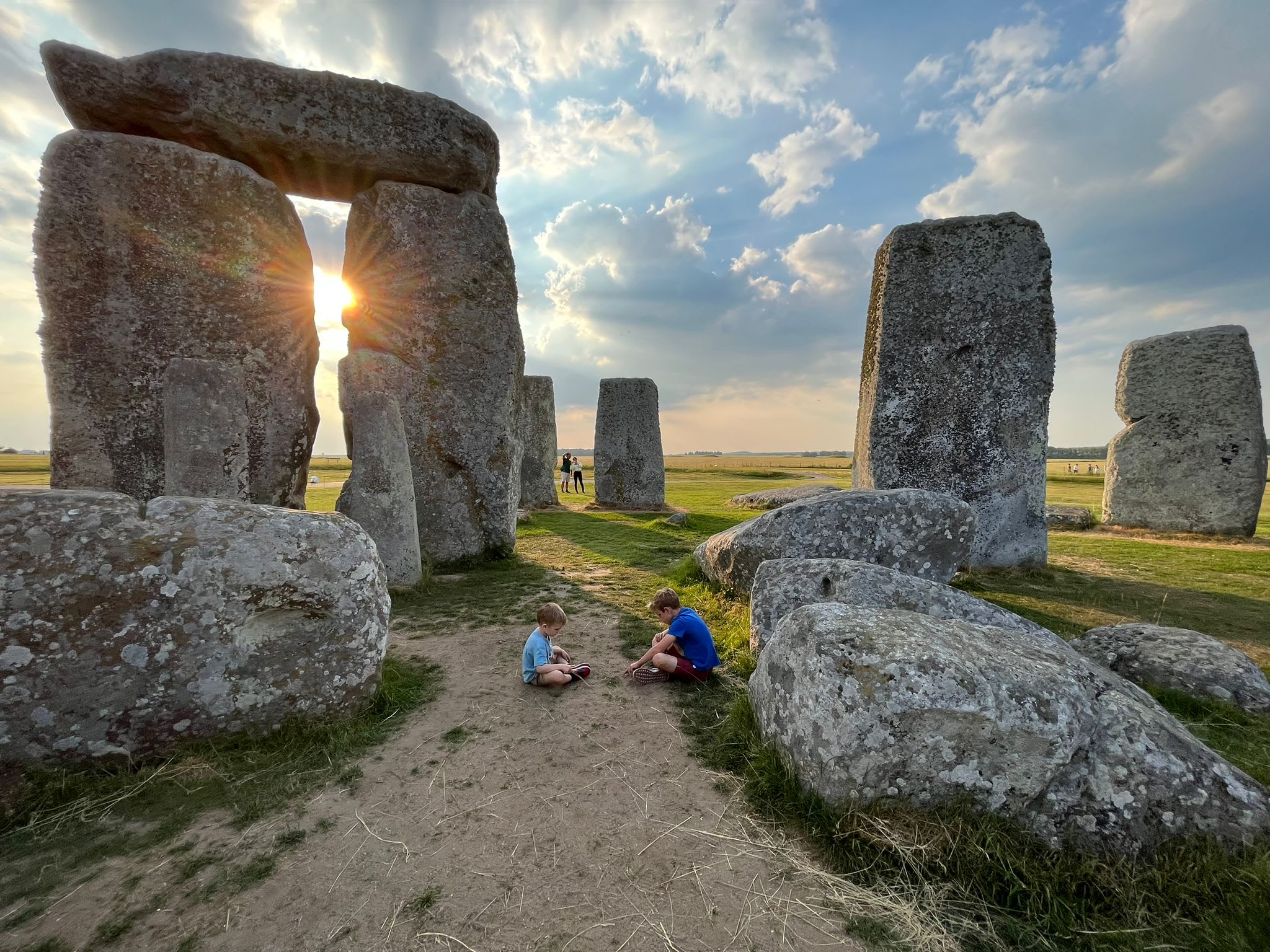
Please see below for more Stonehenge previous ‘Helpful Posts’
Contact Us

Stonehenge News: Spring Equinox Updates
**** Featuring updated Stonehenge Spring Equinox information and more Stonehenge News/Info****
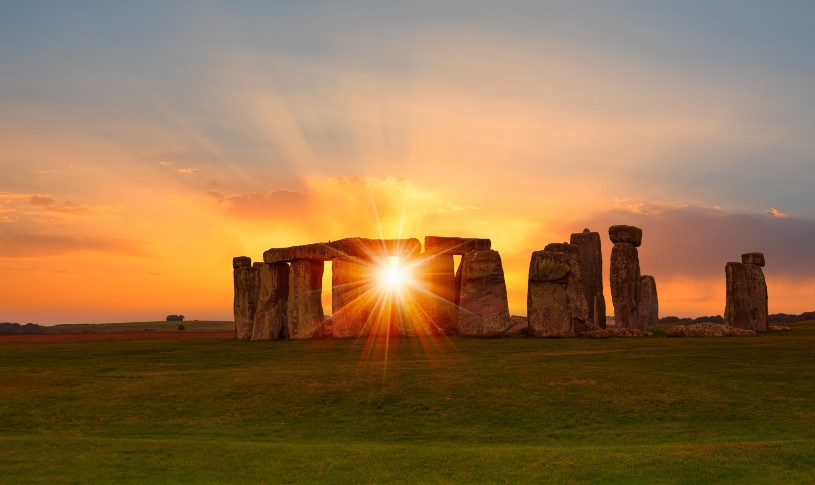
Good afternoon from Best Value Tours and with our sister-site Backpacker Tours, we are delighted to continue our ‘Stonehenge News’ series and today we have updated Stonehenge Spring Equinox information and more Stonehenge News/Info

Interesting Information – Spring Equinox at Stonehenge
The spring equinox at Stonehenge is one of those moments that makes you go, “Okay, ancient people were seriously clever.” Twice a year, in spring and autumn, the rising sun lines up with the stones in a way that feels almost magical. As dawn breaks, sunlight slips neatly between the towering stones and beams straight into the heart of the circle. No lasers, no GPS, no apps – just deep knowledge of the sky, the seasons, and a lot of patience lining massive rocks up in exactly the right places.
The equinox marks the day when daylight and darkness are almost equal, which would have been a big deal for Neolithic communities. It signalled changing seasons, shifting weather, and the promise of new life in the fields. Stonehenge wasn’t just a pile of rocks; it was a calendar, a meeting place, and probably a pretty impressive backdrop for gatherings and celebrations.
Here’s a fun fact: some of the stones weigh as much as a double-decker bus, yet people hauled them from miles away using wooden sledges and sheer determination. Standing there as the sun rises, you can’t help but feel a little time-travelled, sharing a sunrise with people from thousands of years ago.
Stonehenge Spring Equinox 20th March 2026
Stonehenge said today that they do expect to offer pre-booked parking for this very popular event, details of this are expected soon and we will let you know as soon as we do. In the mean time here is some helpful information for attending the Spring Equinox at Stonehenge
Reaching Stonehenge for the Spring equinox
Our number one tip is allow plenty of time. Sunrise is 5.36am and Stonehenge will allow access to the Monument Field at first light so around 7.20/30am. There will be a crowd waiting at the field gate from around 4.45/5am so you will have celebratory company if you reach there early and don’t forget a torch.
By bus – Salisbury Reds normally offer a special bus services to transport visitors to Stonehenge from Salisbury Rail Station and Salisbury City Centre (New Canal) via Amesbury and we will keep you updated on details. Please visit the Salisbury Reds website for timetables.
There is plenty of parking in Salisbury. Some all-day parking options include: Central Car Park Long Stay, Mill Stream Approach, Salisbury, SP1 3SL – Culver Street Shoppers Car Park, Salisbury, SP1 2BQ – For a full list of car parks and more information, please visit the Wiltshire Council website.
By Train – The nearest train station is Salisbury, which is 12 miles or 9km away. There are regular train services from London, Bristol, Bath, and Southampton.
By taxi – Taxis are available at Salisbury train station. The drop-off and pick-up point is in the Stonehenge Coach car park. Please consider booking ahead as demand for taxis will be high.

By foot – Stonehenge is a 2½ mile or 4 km walk from nearby Amesbury. Sensible footwear and a torch are advisable.
By bicycle – Please bring a strong lock and only park your bike in the designated areas in the car park. Ask a steward at the car park entrance for assistance. Please do not chain your bike to any of the gates – these are for use by the emergency services and any bikes causing an obstruction will be removed.
Notes
Walking from the Stonehenge Visitor Centre to the Stone Circle will take 25–30 minutes (approximately 1 ½ miles or 2km). This is across land (owned by the National Trust) which is uneven. Sensible footwear and a torch are advisable.
A shuttle bus will also operate from the Stonehenge Visitor Centre to the Stone Circle at regular intervals, with priority boarding given to those with accessibility needs.
We aim to make Winter Solstice as accessible as possible for disabled visitors. If you have a question that is not covered in the information below, please contact English Heritage Customer Services on 0370 333 1181 or email customers@english-heritage.org.uk
Travelling to Stonehenge. Salisbury Reds buses travelling from Salisbury station via Amesbury are wheelchair accessible. For further information, please contact the Salisbury Reds Bus Company on 01202 338 420 or www.salisburyreds.co.uk
A limited number of accessible parking for blue-badge holders is available to pre-book and costs £15. Please ensure your blue badge and parking voucher are both clearly displayed upon entry. If you are being dropped off, this can be done at the Coach Park. You can then catch the step-free shuttle bus from the entrance to the coach park to near the stone circle. These will run at regular intervals. Our accessible parking is on hardstanding ground. The path from the shuttle bus drop-off to the stone circle is mainly grass with some hardstanding pathways.

Mobility Aids – Disability aids are permitted at the Monument Field, except for shooting sticks. English Heritage regrets it cannot provide wheelchairs. Chairs are permitted for visitors who need them. Please make sure the chair is designed for outdoor use and place it on an area of level ground, at least two metres away from any of the standing or fallen stones. Please ensure that chair legs are not driven into the ground.
Toilets – Accessible toilets are available in the Monument Field. There are standard accessible toilets and a Changing Places facility at the Visitor Centre. Please remember to bring your RADAR key for the Changing Places facility or ask for help at the Visitor Centre.
Registered assistance animals – Registered assistance animals are welcome. There is water available in the monument field near the entrance.

What to bring – Sensible shoes. The car park and area around Stonehenge are fields and uneven underfoot. Warm, waterproof clothing. Please note that large umbrellas are not permitted at Solstice. A torch. We recommend bringing a small torch for walking to the stone circle from the car parks and bus drop off points.
Small ground sheet and/or blanket. We do not permit sleeping bags, duvets or tents. Please ensure any chairs are designed for outdoor use and placed at least 2 metres away from standing or fallen stones, with the legs not driven into the ground.